11 Soundtracks
You Need to Hear.
These are not scores about emotion management — not music telling you what to feel. They are autonomous sound works that happen to accompany images. Remove the film and they still hold. That is the test.
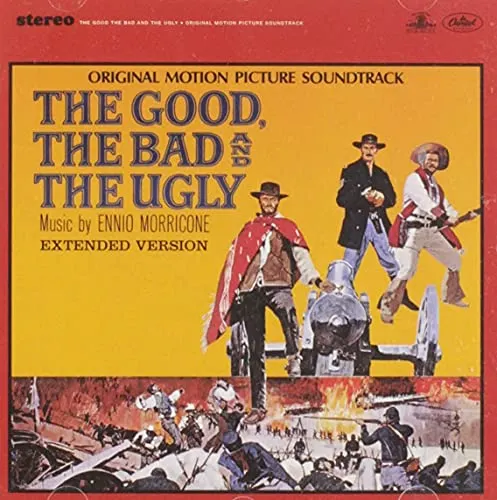
Before this, film music illustrated. After this, it could confront. Morricone built sounds from whistles, gunshots, voices and choir into something that felt like landscape itself — vast, indifferent, occasionally beautiful. The template for everything that uses texture instead of melody as its primary material.
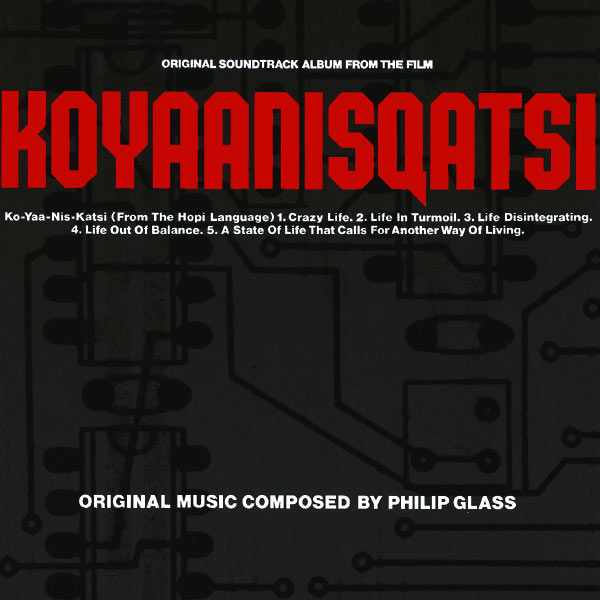
A score that makes repetition feel like revelation. Glass locked cycles of arpeggios and vocal drones against time-lapse images of civilization accelerating past itself. The music does not underline the images — it runs parallel, relentless, until the two become one argument. Essential listening for anyone working with pulse and patience.

Synthesizers used not as novelty but as architecture. Vangelis built a city out of pads, breath and saxophone — warm where it should be cold, melancholic where it should feel futuristic. It invented a sonic grammar for urban loneliness that is still being borrowed forty years later, often without the understanding that made the original work.
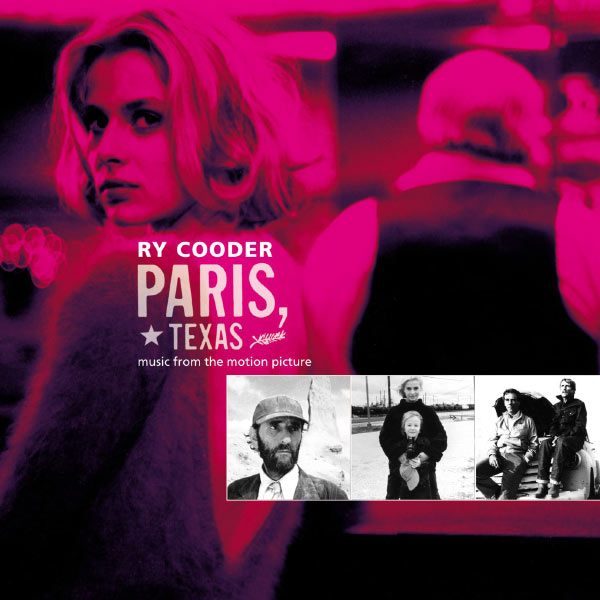
A single slide guitar and open space. Cooder reduced film scoring to its minimum — one voice, a lot of silence, and the knowledge that less will always carry more weight than more. The score works because it never explains. It sits beside the film the way a companion sits in a car without speaking. Presence without pressure.
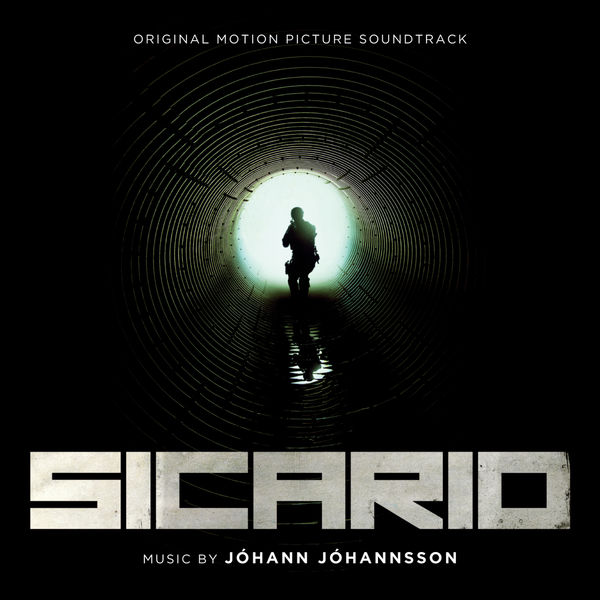
Low frequencies used as dread. Jóhannsson built most of this score from sub-bass, percussion and strings so dark they barely register as musical. It is music that makes the body tense before the mind understands why. His death in 2018 left a gap in film music that has not been filled. This is his clearest statement.
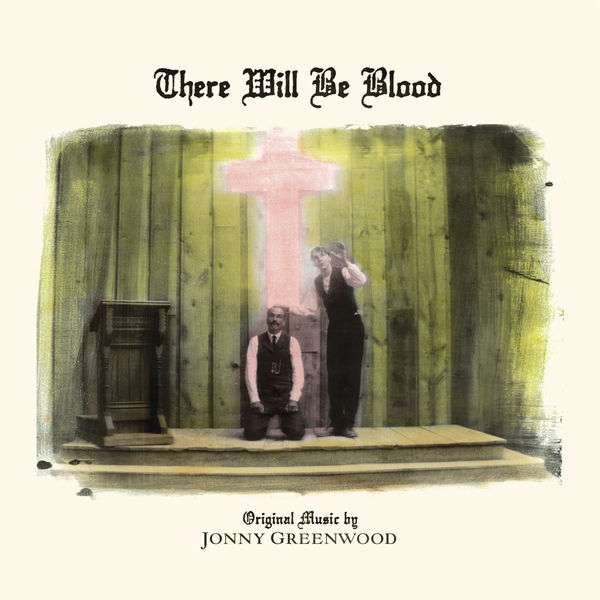
Classical music used as violence. Greenwood took Brahms and Arvo Pärt as entry points but arrived somewhere far stranger — string writing that feels physically aggressive, like something tearing. The score for Radiohead's guitarist proved that pop musicians understand classical form better than most who studied it. It thinks in large spans of time.
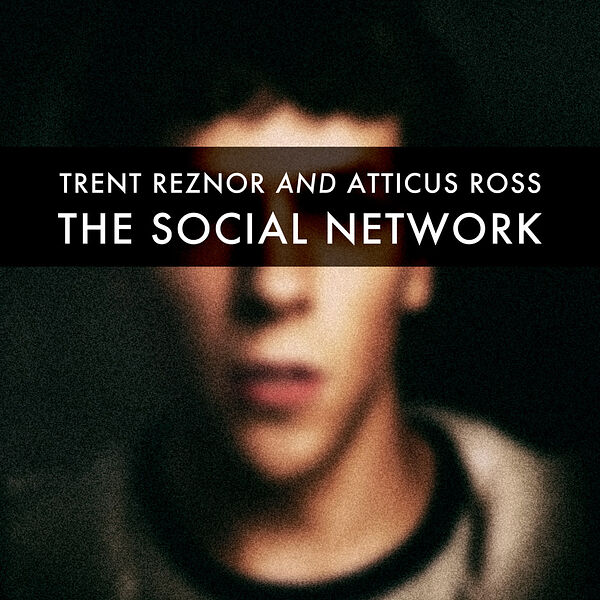
Industrial music made into furniture. Reznor and Ross took the abrasion of Nine Inch Nails and dissolved it into something ambient and cold — percussion as texture, piano as broken signal, silence as transition. The score ages better than the film. It understood early that digital loneliness has its own specific sound.
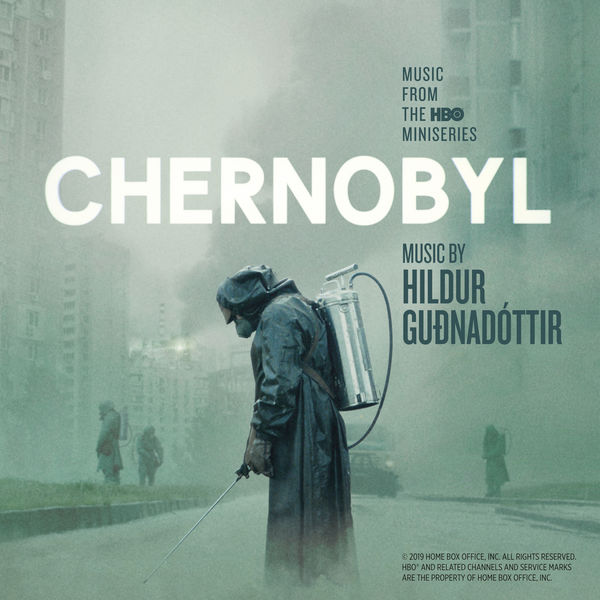
Recorded inside the actual turbine halls of a Lithuanian power station, the score uses the building itself as instrument. Metal, resonance, decay. Guðnadóttir found music in the places where the disaster happened — not metaphorically but literally. The result is a score that feels radioactive in the quietest possible way.
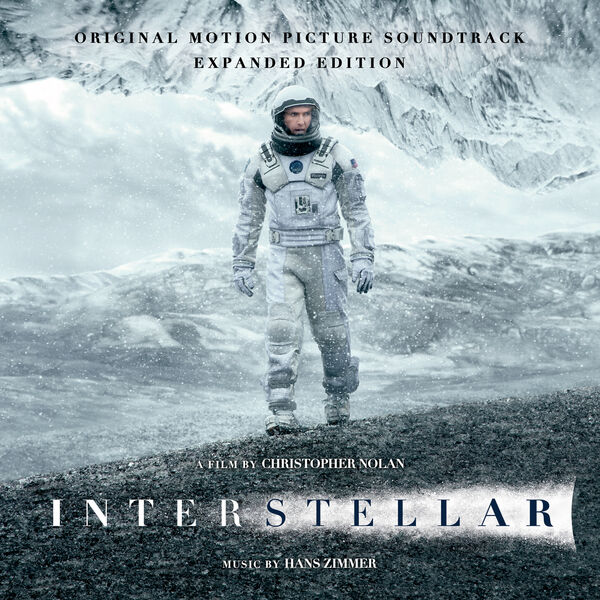
The organ as cosmic instrument. Zimmer stripped away the orchestral sweep of his own formula and built something austere — a pipe organ recorded at Temple Church in London, surrounded by sparse strings and processed breath. Where his other scores expand outward, this one pulls inward. It earns its scale because the foundation is small.
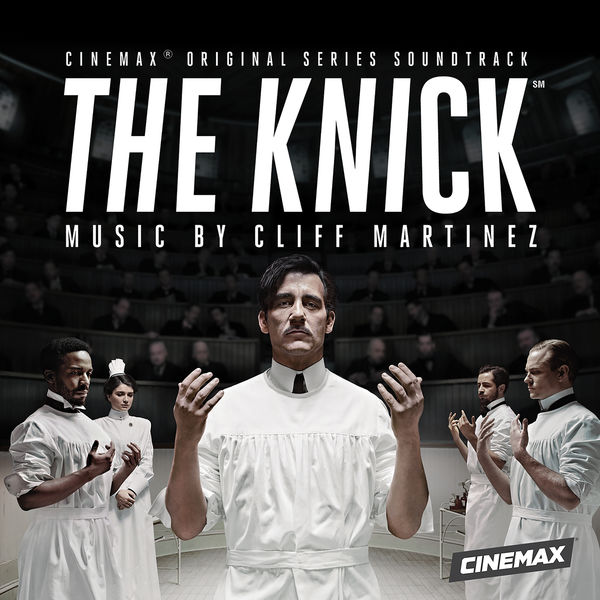
Electronic music placed inside a period drama set in 1900. The anachronism is the point. Martinez used modular synthesizers and rhythmic pulse to score surgery scenes in a way that no period score could have achieved — the machines of early medicine made audible through the machines of contemporary sound design. Radical, underrated, precise.

Voices used as instruments without language. Tapia de Veer built a score from processed human sounds — breath, syllables, ululation — layered until they lose their human origin and become something ritualised and unsettling. It turns luxury into dread through sound alone, before a single image confirms what the music already knows.